Categories
Uncategorized

The Burnout Factor: How Stress Fuels Addiction in the Petroleum Industry

The petroleum industry is synonymous with high stakes, tight deadlines, and physically demanding work. From oil rig operators to refinery technicians, workers often operate in hazardous environments under relentless pressure. While the focus is typically on physical safety, a silent threat is growing within the workforce: burnout-driven addiction.

Burnout is more than simple fatigue—it’s a chronic state of emotional, physical, and mental exhaustion caused by prolonged stress. In the petroleum sector, burnout is reaching crisis levels, and substance abuse is becoming an increasingly common and dangerous coping mechanism.

Why the Petroleum Industry Breeds Burnout

Oil and gas jobs demand a unique combination of stamina, focus, and resilience. Many workers operate on rotational schedules—such as two weeks on, one week off—which often involve 12-hour shifts with few breaks. Living in isolated environments, such as offshore rigs or remote drilling sites, further compounds the mental strain.

Adding to this pressure is the constant concern over job security. The petroleum industry is notoriously cyclical. When oil prices drop, layoffs follow. Even during prosperous times, workers may feel the weight of unrealistic expectations to produce more in less time. The fear of economic downturns and sudden unemployment leaves many employees in a perpetual state of stress.

Without healthy outlets for this pressure, many turn to substances as a form of escape.

Stress as a Gateway to Addiction

Stress doesn’t directly cause addiction, but it creates the conditions where addiction can thrive. Workers may use alcohol or drugs to relax after grueling shifts or to manage anxiety about job performance and financial security. Unfortunately, what starts as “taking the edge off” can quickly spiral into dependency.

Common substances abused in the petroleum industry include:

  • Alcohol – Used to unwind, especially during off-site periods, often leading to binge drinking patterns.
  • Prescription Painkillers – Due to the physical demands of the job, injuries are common. Pain management can lead to opioid dependency.
  • Stimulants – Workers may use amphetamines or other stimulants to combat fatigue and stay alert during long shifts.
  • Marijuana or Sedatives – Some use these substances to manage insomnia or calm post-work anxiety.

Breaking the Burnout-Addiction Cycle

Addressing addiction in the petroleum industry starts with recognizing burnout as a key root cause. Preventing burnout and providing healthy ways to manage stress is critical.

Here are proactive strategies the industry can adopt:

  • Mental Health Support – Provide access to counselors and therapists, both on-site and via telehealth, to help workers manage stress before it leads to substance abuse.
  • Stress Management Training – Equip employees with tools like mindfulness techniques, breathing exercises, and coping strategies.
  • Balanced Work Schedules – Design shifts that allow adequate rest and recovery time, reducing physical and mental fatigue.
  • Non-Stigmatized Recovery Programs – Create confidential programs that allow workers to seek help without fear of job loss or judgment.
  • Leadership Training – Educate supervisors to identify early signs of burnout and addiction, promoting intervention before problems escalate.

Conclusion

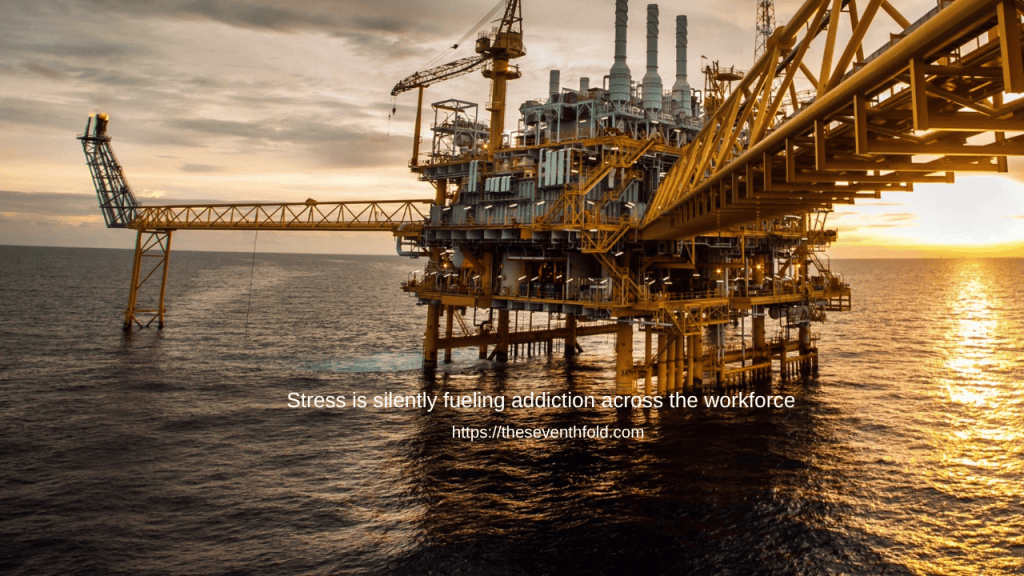
The petroleum industry can no longer afford to ignore the burnout factor. Stress is silently fueling addiction across the workforce, putting lives and operations at risk. By fostering a culture that values mental health as much as physical safety, the industry can break the cycle and build a healthier, more resilient workforce.
Categories
Uncategorized

Roughnecks and Recovery: Combating Substance Abuse in the Oilfields

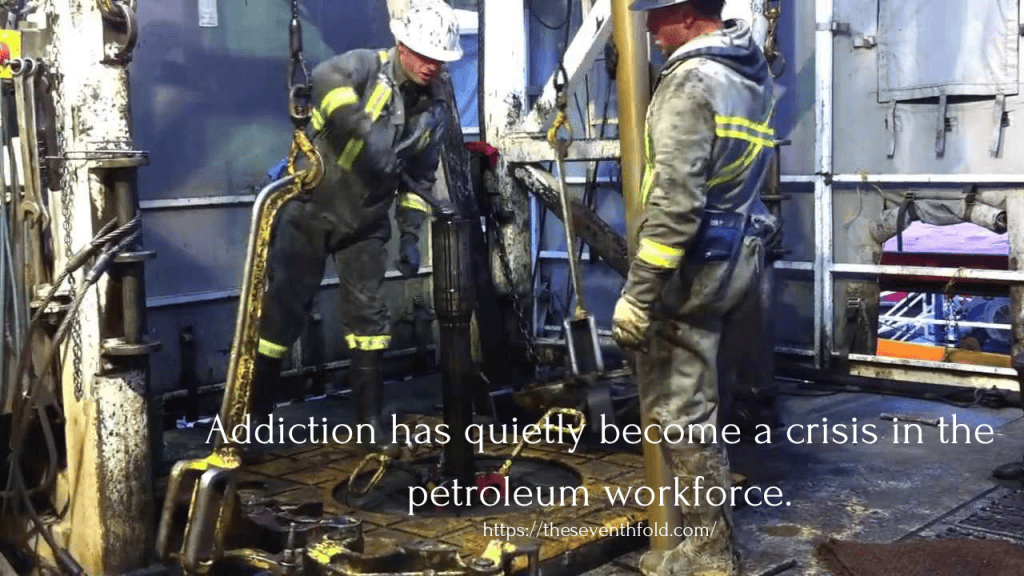
The image of the roughneck—gritty, hardworking, and tough—is iconic in the world of oilfields. These are the men and women who brave extreme conditions, long hours, and physical labor to power one of the world’s most essential industries. But behind the rugged exterior lies a growing struggle: substance abuse. As oilfield workers face increasing pressure, isolation, and injury, addiction has quietly become a crisis in the petroleum workforce. Addressing this issue is no longer optional—it’s vital for safety, sustainability, and the health of the people who fuel the world.

A Dangerous Environment for More Than One Reason

Oilfield work is inherently risky. It demands physical endurance, sharp focus, and mental resilience. Workers operate heavy machinery, manage hazardous materials, and work in remote environments where even minor mistakes can have serious consequences. Unfortunately, the same conditions that define this work also create a breeding ground for substance use.

Injuries are common on the job, and many workers are prescribed opioids or other pain medications for recovery. Without proper medical supervision or alternative treatment options, dependency can develop quickly. At the same time, the long shifts, weeks away from home, and often isolated living conditions can lead to stress, boredom, and depression—pushing some workers toward alcohol or stimulants to cope.

Breaking the Silence Around Addiction

One of the most significant barriers to addressing substance abuse in the oilfields is the culture of silence. The roughneck lifestyle is often tied to ideas of toughness and self-reliance. Admitting to addiction or mental health struggles can be seen as weakness, which discourages workers from seeking help until the situation becomes critical.

This silence endangers not just the individual but everyone on site. Impaired workers can’t perform safely, and in a high-risk environment, that can lead to injuries, equipment failure, or even fatalities.

Building Recovery into the Workforce

Combating substance abuse in the oilfields requires an industry-wide shift toward support, education, and compassion. Some key strategies include:

  • Onsite Wellness Programs: Providing physical and mental health services at job sites makes help accessible and reduces the stigma of seeking support.
  • Injury Management Without Dependency: Promoting non-opioid pain treatments and physical therapy can help reduce the risk of prescription drug addiction.
  • Peer Support and Recovery Networks: Creating recovery communities within the workforce encourages open dialogue and shared experiences that can be powerful for healing.
  • Supervisor Training: Teaching managers and foremen to recognize signs of substance use and respond supportively can lead to earlier intervention and better outcomes.
  • Confidential Access to Rehabilitation: Workers need assurance that they can seek treatment without losing their jobs or being labeled as liabilities.

Changing the Oilfield Culture

If the oil and gas industry wants to protect its workforce, it must evolve. That means shifting from a culture of toughness to one of resilience—a resilience built on honesty, support, and accountability. Roughnecks may be tough, but they’re also human. And like any workforce, they deserve care, dignity, and a chance at recovery.

By investing in these solutions, oilfield employers don’t just save lives—they strengthen their teams, their safety standards, and their future.

Categories
Uncategorized

From Pipelines to Pills: Addressing Addiction in the Petroleum Workforce

The petroleum industry is known for its grueling physical labor, long shifts, and high-stakes operations. Behind the machinery and infrastructure lies a growing crisis—addiction among the very workers who keep the energy sector moving. The journey from pipelines to pills is becoming a troubling reality, as substance abuse quietly spreads through the petroleum workforce. If left unaddressed, the human and operational costs could be catastrophic.

The Pipeline to Addiction

Working in oil and gas isn’t just a job—it’s a lifestyle. Many employees spend weeks at a time on offshore rigs, in remote drilling sites, or traveling between job locations. This nomadic and isolated way of life takes a toll on both body and mind. Long hours, exposure to harsh conditions, and the mental strain of being away from family are daily challenges.

In such a demanding environment, injuries are common. To stay productive, workers are often prescribed painkillers—usually opioids. While these medications serve a legitimate purpose, they come with a high risk of dependency. What starts as pain relief can quickly turn into addiction, especially when combined with stress, fatigue, and limited access to proper healthcare.

But it doesn’t stop with prescription pills. Alcohol, stimulants, and other substances are also prevalent in the industry, used as coping mechanisms for everything from boredom to anxiety and depression.

A Culture That Discourages Help-Seeking

One of the biggest barriers to addressing addiction in the petroleum workforce is the culture of silence. The industry has long prized resilience and toughness, often at the expense of mental well-being. Workers are expected to power through pain and keep quiet about personal struggles. Asking for help is frequently seen as a sign of weakness.

This stigma discourages individuals from seeking treatment, and many suffer in silence until their addiction becomes severe—or leads to on-the-job mistakes that endanger themselves and others.

The Broader Impacts of Substance Abuse

Addiction doesn’t just affect the individual; it ripples outward across teams, companies, and communities. In a field where safety is paramount, substance use impairs decision-making and physical coordination, increasing the risk of accidents, injuries, and even fatalities. Operational downtime, increased insurance premiums, and higher turnover rates are just a few of the financial consequences.

On a personal level, addiction devastates families, erodes mental health, and leads to long-term economic insecurity.

Strategies for Addressing the Crisis

To combat addiction in the petroleum workforce, industry leaders must take bold, proactive steps:

  • Normalize Mental Health Support: Promote counseling and therapy as standard resources, not last resorts.
  • Enhance Safety and Injury Management: Offer non-opioid pain management and injury prevention training to reduce reliance on addictive medications.
  • Implement Confidential Recovery Programs: Allow employees to seek help without fear of judgment or job loss.
  • Train Supervisors in Early Intervention: Equip team leaders with tools to recognize and address substance use issues compassionately and effectively.
  • Foster a Culture of Openness: Break the stigma by encouraging dialogue around addiction and well-being.

Conclusion

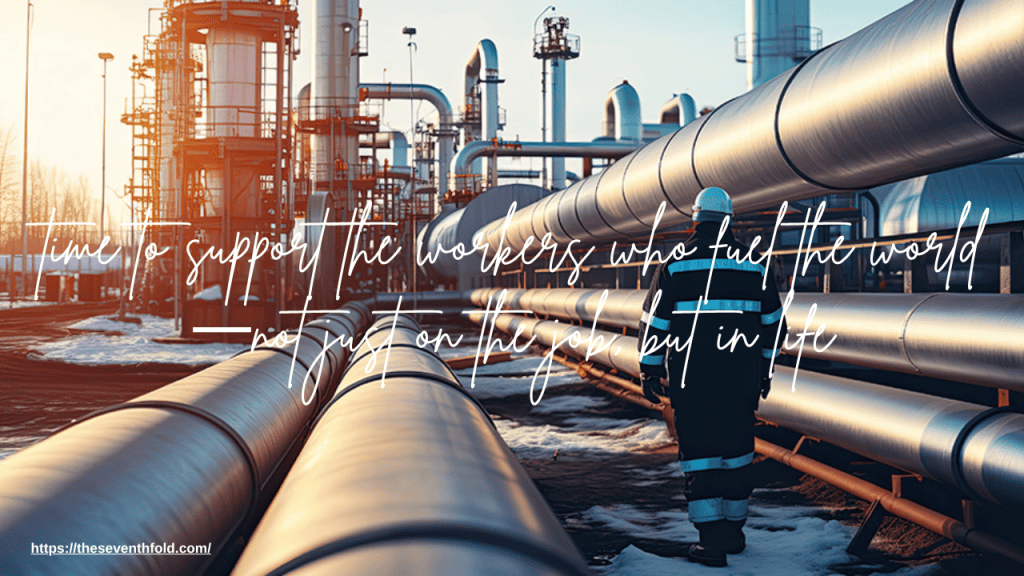
The path from pipelines to pills is not inevitable—but it is preventable. By shifting industry culture, providing proper resources, and prioritizing mental health alongside physical safety, the petroleum sector can begin to turn the tide on addiction. It’s time to support the workers who fuel the world—not just on the job, but in life.

Categories
Uncategorized

High Risks, High Stakes: The Link Between Petroleum Work and Substance Abuse

The petroleum industry is one of the most critical engines of the global economy, but it comes at a significant human cost. Behind the impressive production numbers and billion-dollar infrastructure lies a workforce facing extraordinary physical and psychological stress. As a result, substance abuse is becoming an increasingly pressing issue in the oil and gas sector. The link between petroleum work and addiction is undeniable—and deeply concerning.

An Industry Built on Extremes

Petroleum workers often face extreme work conditions. Whether it’s enduring 12-hour shifts on remote offshore rigs or working in intense heat and hazardous environments, these jobs demand mental toughness and physical resilience. The job’s high-risk nature doesn’t end with heavy machinery or flammable materials—it extends to the toll it takes on a worker’s mental health.

Long periods away from family, irregular sleep schedules, chronic pain from injuries, and constant stress are all part of the package. For many, these stressors lead to the use of alcohol, painkillers, or stimulants as a means of coping. What begins as temporary relief can evolve into addiction—often unnoticed until it becomes a serious problem.

Common Substance Abuse Patterns in Petroleum Work

  1. Alcohol – Widely used during off-duty hours, alcohol serves as a socially accepted stress reliever, especially in environments where recreational options are limited.
  2. Prescription Opioids – Commonly prescribed after workplace injuries, opioids like oxycodone or hydrocodone are effective in the short term but carry a high risk of dependency.
  3. Stimulants – Workers facing sleep deprivation or long hours may use amphetamines or cocaine to stay alert, which can lead to severe health consequences.
  4. Cannabis and Synthetic Drugs – Increasingly used to manage anxiety and sleep disorders, these substances can impair cognition and increase on-site safety risks.

The Ripple Effect of Substance Abuse

The impact of substance abuse in the petroleum industry reaches far beyond the individual. Safety is a primary concern. Oil rigs, refineries, and transport systems all involve high-stakes operations where a single mistake can result in injury, environmental disasters, or even death. Impaired judgment from substance use elevates these risks significantly.

Substance abuse also contributes to increased absenteeism, high turnover, strained team dynamics, and soaring healthcare costs. In an industry that already faces skilled labor shortages, losing trained professionals to addiction only exacerbates operational challenges.

Addressing the Crisis

The petroleum industry must confront substance abuse not as a disciplinary issue but as a health crisis. Companies need to invest in:

  • Workplace mental health initiatives: Onsite or remote access to counselors and psychologists.
  • Comprehensive wellness programs: Including stress management, healthy lifestyle guidance, and injury recovery support.
  • Early detection and intervention training: Equip supervisors to identify warning signs and respond with empathy, not punishment.
  • Confidential treatment and recovery programs: Ensure that employees can seek help without fear of losing their jobs.

Changing the Culture

To break the cycle, the petroleum industry must also shift its workplace culture. Encouraging open dialogue, reducing stigma around mental health and addiction, and prioritizing employee well-being can go a long way toward preventing substance abuse before it starts.

In an industry where high risks are part of the job, addressing substance abuse isn’t just responsible—it’s essential. The stakes are too high to ignore.

Categories
Uncategorized

Drilling into Dependency: Why Addiction is Rising in the Oil and Gas Industry

The oil and gas industry is often associated with grit, endurance, and high-performance demands. Workers in this field operate in some of the world’s most extreme environments, from offshore platforms to remote deserts. However, beneath the surface of this high-powered industry lies a growing concern: a troubling rise in addiction among its workforce. As the pressures of the job mount, more oil and gas workers are finding themselves caught in cycles of substance use and dependency—a crisis that is increasingly difficult to ignore.

The High-Stress Nature of the Job

Addiction doesn’t happen in a vacuum. In the oil and gas industry, it’s often the result of a perfect storm of physical stress, emotional strain, and social isolation. Many workers are on rotational schedules, spending weeks on-site without access to their families, normal routines, or adequate mental health care. The work is physically demanding, and injuries are common—opening the door to the use (and overuse) of prescription painkillers.

In addition, the uncertainty of job stability in a boom-and-bust industry adds another layer of stress. Oil price crashes, layoffs, and economic downturns have long plagued the industry, leaving workers feeling anxious and insecure about their futures. With limited support structures in place, many turn to substances—alcohol, opioids, stimulants—to cope.

Isolation and Mental Health

One of the most significant contributing factors to addiction in the oil and gas sector is isolation. Remote drilling sites and offshore rigs often lack access to mental health professionals. Social support is minimal, and leisure opportunities are virtually nonexistent. This isolation can lead to depression, anxiety, and sleep disorders—conditions that are often self-medicated with drugs or alcohol.

The culture of toughness in the industry also discourages workers from seeking help. Vulnerability is often seen as weakness, and discussing mental health challenges can be stigmatized or outright ignored. As a result, many workers struggle in silence, resorting to substances to manage overwhelming emotions.

Commonly Abused Substances

  • Alcohol remains the most accessible and socially accepted substance, often used to unwind during off-duty hours.
  • Opioids and prescription medications are frequently used for injury-related pain but can quickly become habit-forming.
  • Stimulants like amphetamines and cocaine are used to combat fatigue and long shifts.
  • Marijuana and synthetic drugs are increasingly used to relieve stress or improve sleep, though they can impair judgment and safety.

The Industry’s Role in Prevention

Oil and gas companies must take a more active role in recognizing and addressing addiction. This includes creating a workplace culture that supports open conversations about mental health and substance use, as well as implementing proactive measures such as:

  • Mental health support and counseling services onsite or via telehealth
  • Routine screenings and non-punitive intervention programs
  • Training for supervisors to spot early signs of addiction
  • Confidential access to rehabilitation and recovery resources

Breaking the Cycle

The rise of addiction in the oil and gas industry is a warning sign that can no longer be ignored. These are not isolated issues—they are systemic problems stemming from a culture that often values performance over well-being. To protect the safety, productivity, and dignity of its workforce, the industry must evolve. Drilling into dependency may reveal uncomfortable truths, but it also opens the door to real, lasting change.

Categories
Uncategorized

The Hidden Cost of Crude: Substance Abuse Trends in the Petroleum Sector

The petroleum industry has long been a symbol of strength, energy, and economic power. From offshore rigs to sprawling refineries, it powers nations and fuels industries. But behind this powerhouse lies a rarely discussed reality: the human toll it takes on its workforce. One of the most pressing and overlooked issues within the oil and gas sector is substance abuse—a growing trend that poses serious risks not only to workers but to the safety, productivity, and sustainability of the entire industry.

The Pressure Beneath the Surface

Working in oil and gas is not for the faint of heart. The industry demands long shifts, often in remote or hazardous environments. Employees may spend weeks away from their families, endure physical labor under extreme conditions, and face high expectations to perform without error. These pressures are compounded by economic uncertainty, especially in regions where oil price volatility leads to layoffs or abrupt project closures.

It’s within this high-stress environment that many workers turn to substances—whether to numb pain, stay awake, wind down, or cope with loneliness and anxiety. Unfortunately, what begins as casual use can quickly spiral into dependency.

Substances of Choice: What the Data Shows

Substance abuse in the petroleum industry mirrors trends seen in other labor-intensive sectors, but with unique patterns:

  • Alcohol remains the most commonly abused substance among oil and gas workers. In dry, remote job sites, binge drinking during off-days is common and culturally ingrained in some parts of the industry.
  • Prescription painkillers such as opioids are widely used due to the physically demanding nature of the work. Workers recovering from injuries are particularly vulnerable to addiction when prescriptions go unchecked.
  • Stimulants, including methamphetamines and cocaine, are sometimes used to fight fatigue during long, repetitive shifts. This type of use can be particularly dangerous in an industry where alertness is essential to avoid serious accidents.
  • Marijuana and synthetic cannabinoids are used to manage stress and anxiety but can impair reaction times and decision-making, posing safety risks on the job.

The Cost of Addiction on the Industry

The effects of substance abuse extend far beyond the individual. For employers, addiction in the workforce leads to increased absenteeism, reduced productivity, and higher healthcare costs. More critically, impaired workers are a safety liability in an industry where even a small mistake can lead to catastrophic explosions, oil spills, or loss of life.

Moreover, substance abuse undermines team cohesion and morale. Coworkers may be forced to pick up the slack, and resentment can build when problems are ignored or poorly handled.

Addressing the Problem at Its Core

The petroleum industry must shift from reactive to proactive when addressing substance abuse. Some key strategies include:

  • Routine screening and assessments combined with non-punitive policies that encourage early reporting and intervention.
  • Employee Assistance Programs (EAPs) tailored to the unique needs of remote or offshore workers, including access to virtual counseling and rehabilitation support.
  • Training supervisors to recognize behavioral red flags and support workers with compassion and confidentiality.
  • Workplace wellness initiatives that focus on both mental and physical health, stress management, and injury prevention.

Conclusion

The hidden cost of crude isn’t just measured in dollars or environmental damage—it’s also measured in human suffering. As the petroleum industry looks to the future, it must invest just as deeply in its people as it does in production. Addressing substance abuse is not only a moral imperative; it’s a business necessity.

Categories
Uncategorized

Breaking the Cycle: Solutions to the Addiction Crisis in Oil and Gas

The oil and gas industry is often hailed as the backbone of global energy production. However, beneath the surface of this crucial sector, a growing crisis is quietly taking its toll—addiction among workers. With long hours, physically demanding work, and high-stress environments, employees in the oil and gas sector are increasingly turning to substances like alcohol, prescription painkillers, and illicit drugs to cope. But there is hope. By addressing the root causes and implementing proactive solutions, the industry can begin to break the cycle of addiction and create a healthier, safer work environment for all.

Understanding the Scope of the Problem

The unique challenges faced by oil and gas workers contribute to a heightened risk of substance abuse. Whether it’s offshore workers living in isolated conditions, roughnecks dealing with physical injuries, or those struggling with the emotional toll of uncertain job security, the pressures are immense. The unpredictable nature of oil prices, coupled with fluctuating job availability, leads to significant stress, anxiety, and depression—factors that often push individuals toward substance use as a coping mechanism.

Furthermore, addiction doesn’t just affect individuals; it has far-reaching consequences for companies, coworkers, and the environment. Impaired judgment and physical limitations due to drug use increase the risk of accidents, resulting in lost productivity, higher insurance costs, and even catastrophic safety failures.

Key Solutions to Address the Crisis

  1. Workplace Wellness Programs
    One of the most effective ways to address addiction in the oil and gas industry is by offering comprehensive workplace wellness programs. These programs should not only focus on physical health but also on mental well-being. Providing access to counseling, stress management resources, and substance abuse recovery support can create a safer, more supportive environment for workers. It is vital to remove the stigma around seeking help, making it clear that addiction is a medical condition, not a personal failure.
  2. Substance Abuse Prevention and Education
    Prevention is always better than treatment. By educating workers about the dangers of substance abuse and the impact it can have on their careers, health, and safety, the industry can take the first step in combating addiction. Regular training on recognizing early signs of substance abuse—both in oneself and in colleagues—can lead to earlier intervention, potentially stopping the issue before it escalates.
  3. Employee Assistance Programs (EAPs)
    Many companies have already implemented Employee Assistance Programs, but these services must be more than just a hotline for those in crisis. These programs should be promoted regularly and provide confidential access to resources like counseling, rehabilitation services, and recovery support. For workers in remote locations, telehealth services could offer virtual support, making help more accessible no matter where employees are based.
  4. Rehabilitation and Recovery Support
    Addiction recovery is a long-term journey that requires continuous support. For those who are struggling, rehabilitation services must be both accessible and effective. This means not only providing access to treatment programs but also ensuring a clear pathway for reintegration into the workforce. Aftercare, including ongoing counseling and support groups, is crucial for long-term success. Having a structured plan for recovery that includes both medical treatment and emotional support can help workers break the cycle of addiction.
  5. Creating a Culture of Support
    Perhaps one of the most significant solutions is to change the culture of the industry. There must be a shift away from the “tough-it-out” mentality, which often prevents workers from reaching out for help. By fostering a culture of openness, vulnerability, and mutual support, employees will feel safer when dealing with personal struggles, including addiction. Leaders should lead by example, showing that seeking help is a sign of strength, not weakness.

A Path Toward a Healthier Future

The addiction crisis in oil and gas is not one that can be solved overnight, but through focused efforts, the cycle can be broken. By investing in mental health resources, education, and comprehensive support systems, the industry can create a safer, more sustainable workforce. Workers are the backbone of the oil and gas sector, and by addressing their needs holistically, the industry can continue to thrive while ensuring the well-being of those who make it all possible.

Categories
Uncategorized

Oil and Addiction: A Growing Epidemic Among Petroleum Workers

Behind the towering rigs and roaring drills of the petroleum industry lies a silent, deepening crisis—addiction. As the demand for oil continues to rise, so too does the pressure on the men and women who work tirelessly to extract it. These workers face not only physical exhaustion but also emotional strain and isolation, creating the perfect storm for substance abuse to take hold. What was once whispered in break rooms has now become a growing epidemic among petroleum workers across the globe.

An Industry Built on Toughness

The petroleum workforce is often celebrated for its grit and resilience. Workers endure long hours, physically demanding tasks, and extended time away from family and home. Rotational schedules, like 14 days on and 14 off, may seem balanced on paper, but in practice, they are emotionally taxing. Offshore rigs, desert drilling sites, and remote locations mean workers are frequently isolated, with limited access to mental health support or recreational outlets.

The culture of toughness—where vulnerability is often viewed as weakness—makes it difficult for workers to speak up about mental health struggles or substance use. Many turn to alcohol, opioids, or stimulants as coping mechanisms to manage pain, stress, and loneliness.

What Fuels the Addiction?

Several key factors contribute to the rising addiction rates in the oil and gas sector:

  • Chronic Pain and Injuries: Physical labor often leads to injuries that require pain management. Prescription opioids are commonly prescribed, and dependency can develop quickly.
  • Stress and Fatigue: The demand for high performance in high-risk environments creates chronic stress, leading some workers to rely on substances to unwind or stay alert.
  • Isolation and Mental Health: Living and working in remote areas without sufficient mental health support can lead to depression and anxiety, increasing the likelihood of substance abuse.
  • Boom-Bust Job Cycles: Sudden layoffs or financial uncertainty tied to fluctuating oil prices can trigger or worsen addiction as workers struggle to cope with insecurity.

The Impact on Lives and Livelihoods

Addiction in the petroleum industry is more than a personal issue—it’s a serious workplace hazard. Impaired judgment, slowed reflexes, and absenteeism put not only the individual at risk but also their coworkers and the environment. One mistake on a rig or refinery can have catastrophic consequences.

From a financial perspective, substance abuse drives up healthcare costs, insurance claims, and turnover rates. For families, the emotional toll is devastating, often leading to strained relationships and long-term trauma.

Turning the Tide: A Path Forward

Addressing this growing epidemic requires a multi-layered approach:

  • Normalize Mental Health Conversations: Break the stigma around seeking help by fostering an open, supportive workplace culture.
  • Early Intervention Programs: Train supervisors and workers to recognize early signs of substance abuse and provide discreet avenues for support.
  • Onsite Counseling and Support Services: Make mental health and addiction recovery resources accessible at or near job sites.
  • Better Policies, Not Just Punishments: Shift from punitive drug policies to recovery-focused approaches that prioritize rehabilitation over termination.

The petroleum industry has the strength and resilience to power the world—it’s time that same strength is used to support the people who make it possible. Combating addiction starts with awareness, compassion, and action.

Categories
Uncategorized

Fueling the Crisis: The Rising Tide of Addiction in the Petroleum Industry

The petroleum industry has long been associated with high-risk, high-reward work. With long hours, harsh conditions, and cyclical job insecurity, workers in the oil and gas sector often face extreme physical and mental stress. Unfortunately, this has led to a growing crisis—an alarming rise in substance abuse and addiction among petroleum workers.

The Pressures of the Petroleum Industry

The oil and gas industry is known for its grueling work schedules. Many employees work 12-hour shifts for weeks at a time, often in isolated locations such as offshore rigs or remote drilling sites. This demanding lifestyle leaves little room for social interaction, relaxation, or proper mental health care. To cope with exhaustion and stress, some workers turn to alcohol, prescription medications, or illicit drugs.

Additionally, job insecurity is a major stressor. The petroleum industry is heavily impacted by fluctuating oil prices, leading to layoffs and financial instability. Workers who fear losing their livelihoods may resort to substance use as a temporary escape from anxiety and depression.

Common Addictions in the Oil and Gas Sector

Several substances are commonly abused in the petroleum industry:

  1. Alcohol – Due to its easy accessibility, alcohol is often a go-to substance for workers looking to unwind. Binge drinking is prevalent, especially in offsite locations where recreational activities are limited.
  2. Stimulants (Methamphetamine & Cocaine) – Many workers use stimulants to stay awake and alert during long shifts. The pressure to maintain high energy levels can lead to dependence on these substances.
  3. Prescription Painkillers (Opioids) – The physically demanding nature of oil and gas work results in frequent injuries. Prescription opioids, such as oxycodone or hydrocodone, are often used for pain relief but can quickly lead to addiction.
  4. Marijuana & Synthetic Drugs – In an effort to manage stress and anxiety, some workers turn to marijuana or synthetic alternatives, which can impair judgment and increase safety risks.

The Consequences of Addiction in the Industry

The rising addiction crisis in the petroleum sector poses significant dangers, both to individuals and the industry as a whole. Substance abuse increases the risk of workplace accidents, which can result in injury, environmental disasters, or even fatalities. Impaired judgment and slowed reaction times are particularly dangerous in an industry that involves heavy machinery, hazardous chemicals, and high-pressure operations.

From a corporate perspective, addiction-related issues lead to increased absenteeism, reduced productivity, and higher healthcare costs. Companies also face liability concerns when substance abuse contributes to on-the-job accidents.

Addressing the Crisis

To combat addiction in the petroleum industry, proactive steps must be taken:

  • Workplace Wellness Programs – Implementing mental health initiatives and addiction support programs can provide employees with resources to seek help.
  • Regular Drug Testing and Education – Companies should conduct routine screenings and educate workers about the dangers of substance abuse.
  • Better Work-Life Balance – Adjusting work schedules to allow for rest and recovery can reduce stress levels.
  • Access to Treatment – Employers should offer confidential counseling and rehabilitation services to those struggling with addiction.

The growing addiction crisis in the petroleum industry cannot be ignored. By prioritizing worker well-being and creating supportive environments, the industry can address this issue and protect both its workforce and its future.

Categories
Uncategorized

How Geopolitics Shapes the Global Oil and Gas Market

The global oil and gas market is deeply influenced by geopolitical factors. Nations with abundant energy resources hold significant power in the global economy, while importing countries rely on stable supply chains to meet their energy needs. Political decisions, international conflicts, trade policies, and diplomatic relations all play a crucial role in shaping oil and gas prices, production, and distribution. Understanding how geopolitics impacts the energy market is essential for governments, businesses, and consumers alike.

1. The Role of Oil-Rich Nations

Countries with vast oil and gas reserves, such as Saudi Arabia, Russia, the United States, and Iran, have a substantial influence on global energy markets. These nations control production levels and, through organizations like OPEC (Organization of the Petroleum Exporting Countries), can manipulate oil supply to regulate prices. When major oil producers decide to cut or increase output, it directly affects global energy prices.

Political instability in these regions can lead to supply disruptions. For example, conflicts in the Middle East, including tensions between Iran and Saudi Arabia, can impact oil production and create volatility in the market. Sanctions on oil-producing nations also play a crucial role in shaping supply chains. The restrictions imposed on Russia following its invasion of Ukraine have significantly altered global oil and gas trade flows, pushing Europe to seek alternative suppliers.

2. The Impact of Trade Policies and Alliances

Energy trade agreements and alliances influence how oil and gas move across borders. Countries often form partnerships to secure energy security and ensure stable pricing. The U.S. shale revolution, for instance, has reshaped global energy dynamics, making America a leading exporter of liquefied natural gas (LNG).

Trade policies, including tariffs and embargoes, also play a significant role. For example, the U.S.-China trade war affected global LNG exports, altering supply chains and market stability. Similarly, sanctions against countries like Venezuela have disrupted oil exports, forcing buyers to turn to other suppliers.

3. Regional Conflicts and Energy Security

Geopolitical conflicts directly impact oil and gas production and transportation. The war in Ukraine has led to major disruptions in Russian energy exports, causing European countries to seek alternative sources such as the U.S. and Middle Eastern nations. The closure of strategic transit routes, such as pipelines and shipping lanes, can also create supply shortages and drive prices higher.

Energy security has become a top priority for nations dependent on imports. Countries in Europe are investing in renewable energy and LNG infrastructure to reduce reliance on Russian gas. Similarly, China is expanding its energy partnerships with Middle Eastern countries to diversify its sources.

Conclusion

Geopolitics remains a major driver of fluctuations in the global oil and gas market. Energy-producing nations hold significant leverage, while importing countries must navigate complex diplomatic relationships to ensure energy security. As geopolitical tensions continue to evolve, governments and industries must adapt to changing supply dynamics, trade policies, and conflicts to maintain stability in the global energy landscape.