Categories
Uncategorized

From Isolation to Connection: Why Community Support Matters in Oil and Gas Addiction Recovery

For many workers in the oil and gas industry, the job demands strength, endurance, and self-reliance. Long shifts, remote sites, and time away from family can foster a deep sense of isolation. While these qualities may help workers excel in their field, they can also make it difficult to reach out for help when faced with addiction or mental health challenges. The truth is, recovery is not meant to be faced alone. At The Seventh Fold, we understand that healing begins with connection. Community support is one of the most powerful tools in overcoming addiction and building lasting recovery.

Understanding Isolation in the Oil and Gas Industry

The Nature of the Work

Oil and gas work often means long hours in demanding environments, far from home or familiar support systems. Many workers spend weeks or months at remote drilling sites or offshore rigs, where stress levels run high and downtime is limited. This physical and emotional distance from loved ones can create feelings of loneliness that may lead to unhealthy coping mechanisms such as alcohol or drug use.

The Pressure to Stay Strong

The culture within the petroleum industry often celebrates toughness and independence. Asking for help can feel like a sign of weakness, even when the weight of stress and addiction becomes overwhelming. Over time, that mindset can deepen isolation, preventing individuals from getting the support they truly need.

Why Connection Is Key to Recovery

The Power of Shared Experience

One of the most healing aspects of recovery is realizing you are not alone. Connecting with others who understand the challenges of addiction—especially those who have worked in similar industries—creates a sense of belonging and understanding. Sharing stories and struggles helps remove shame and builds the foundation for lasting recovery.

The Role of Family and Loved Ones

Reconnecting with family and rebuilding trust is another crucial step in the healing process. Addiction can strain relationships, but recovery offers an opportunity to heal those bonds. Family therapy and open communication help create supportive environments where individuals feel valued and encouraged throughout their recovery journey.

How The Seventh Fold Builds Connection

Holistic and Faith-Based Healing

At The Seventh Fold, we believe that recovery extends beyond physical sobriety. Healing the mind, body, and spirit requires a holistic approach that includes emotional support, spiritual renewal, and community connection. Our faith-based programs help clients rediscover purpose, rebuild self-worth, and strengthen their relationship with God and others.

Group and Peer Support

Community is at the heart of recovery. Through group therapy, peer support sessions, and shared faith experiences, clients learn that healing grows stronger in the presence of others. These supportive relationships not only provide accountability but also inspire hope, resilience, and motivation to keep moving forward.

Individualized Care for Every Journey

Every person’s path to recovery is different. That is why we offer personalized treatment options, including inpatient and outpatient programs designed to meet the specific needs of oil and gas workers. Whether someone requires a structured environment or the flexibility to balance work and treatment, our compassionate team provides the tools and support needed for long-term success.

Finding Strength in Community

Addiction thrives in isolation, but recovery flourishes in connection. By surrounding yourself with others who understand your struggles and believe in your potential, you create a powerful network of strength and support. Oil and gas workers who embrace community healing often find not just recovery, but renewed purpose, hope, and faith.

At The Seventh Fold, we are dedicated to helping individuals in the petroleum industry overcome addiction through compassionate care, faith-based healing, and meaningful connection. You do not have to face this battle alone. Reach out today to begin your journey from isolation to connection—and from struggle to strength.
Categories
Uncategorized

Personalized Care for Petroleum Workers: Turning Addiction Struggles into Strength

The oil and gas industry runs on determination, skill, and long hours of demanding work. Yet behind the physical strength and mental focus that drive this field lies an often-overlooked challenge: addiction. For many petroleum workers, the high-pressure environment, extended shifts, and isolation from family can lead to stress, exhaustion, and reliance on substances as a form of relief. Over time, that reliance can become addiction. But recovery is possible. At The Seventh Fold, we believe that with personalized, faith-based care, every worker has the ability to transform struggle into strength and reclaim a life of balance, health, and purpose.

Understanding the Unique Challenges of Petroleum Workers

The Demands of the Job

The petroleum industry is built on resilience, but the demands can take a toll. Long hours, rotating shifts, and remote work locations often mean disrupted sleep, high stress, and little time for rest or connection. Many workers turn to alcohol, stimulants, or pain medication to cope with fatigue or emotional strain. Unfortunately, this can create a dangerous cycle that affects not only work performance but also mental and physical health.

The Hidden Emotional Burden

Beneath the surface, many workers struggle with anxiety, depression, and isolation. The culture of toughness common in the oilfield can make it difficult to open up or seek help. That’s why personalized recovery care is essential—it provides a safe, supportive environment where individuals can face their challenges with understanding and dignity.

The Power of Personalized Recovery

Why One Size Does Not Fit All

No two recovery journeys are alike. A successful treatment plan considers not just the addiction itself but also the person behind it—their history, environment, beliefs, and goals. The Seventh Fold creates individualized programs that meet each client where they are, using evidence-based therapy, holistic care, and faith-centered healing to restore balance and confidence.

Integrating Mind, Body, and Spirit

True recovery involves more than physical detoxification. It requires healing the mind and spirit as well. Through counseling, group therapy, and spiritual guidance, clients learn to manage stress, process emotions, and reconnect with their purpose. Physical wellness is also emphasized through nutrition, exercise, and mindfulness practices, helping workers rebuild strength from the inside out.

Inpatient and Outpatient Options for Every Lifestyle

For petroleum workers, flexibility matters. Some may need the immersive structure of inpatient treatment to focus fully on healing, while others may prefer outpatient care that allows them to stay connected to their work and family responsibilities. Both options at The Seventh Fold are designed to support long-term recovery with compassion, accountability, and care.

Turning Struggle into Strength

Addiction may begin in moments of struggle, but recovery builds resilience. Many oil and gas workers who enter treatment discover not only sobriety but also renewed strength, self-awareness, and spiritual growth. They learn to cope with life’s challenges in healthier ways and to rebuild connections with loved ones and their communities.

At The Seventh Fold, we believe every individual has the power to rise above addiction with the right support and guidance. Our holistic and faith-based approach is rooted in compassion and designed to help clients rediscover their strength, one step at a time.

A New Beginning Starts Today

Addiction does not define who you are—it is only part of your story. With the right care, you can take back control and move forward with confidence. If you or someone you love in the petroleum industry is struggling with addiction, help is within reach. Contact The Seventh Fold today to begin your journey toward healing, faith, and lasting strength.

Categories
Uncategorized

Overcoming the Hidden Crisis: How Oil and Gas Workers Can Reclaim Their Lives from Addiction

The oil and gas industry fuels economies across the world, but behind the strength and resilience of its workforce lies a growing challenge that too often goes unseen: addiction. Long hours, high-pressure environments, and long stretches away from family can make workers in this industry vulnerable to substance use and mental health struggles. Over time, what begins as a way to cope can spiral into dependence, creating a hidden crisis that affects individuals, families, and communities. The good news is that recovery is possible. With compassionate care, holistic healing, and faith-based support, oil and gas workers can reclaim their lives and find lasting freedom from addiction.

Understanding the Hidden Crisis

The Demands of the Industry

Oilfield work is not for the faint of heart. The long shifts, physical intensity, and isolation take a toll on both body and mind. Many workers face constant fatigue and emotional exhaustion, while others turn to alcohol or drugs as a way to unwind after grueling workdays. Over time, these habits can develop into addiction, often hidden beneath a culture that values toughness and perseverance.

The Impact on Mental Health

Beyond the physical demands, mental health challenges such as depression, anxiety, and post-traumatic stress can quietly affect those in the petroleum workforce. These struggles often go untreated, especially in an industry where seeking help is sometimes viewed as a sign of weakness. This combination of pressure, silence, and limited support creates the perfect environment for addiction to thrive.

How Oil and Gas Workers Can Reclaim Their Lives

1. Acknowledge the Problem and Seek Support

Recovery begins with acknowledgment. Recognizing that substance use is interfering with your well-being is a courageous first step. At The Seventh Fold, we offer a safe, judgment-free space where individuals can take that step and begin their journey toward healing. Our compassionate team understands the unique pressures oil and gas workers face and provides specialized support that meets them where they are.

2. Choose a Treatment Program That Fits Your Life

No two recovery journeys are alike. Some individuals may benefit from the structure and focus of inpatient care, while others may need the flexibility of outpatient treatment. The Seventh Fold offers both options, designed to address addiction and underlying mental health concerns through evidence-based therapy, personalized counseling, and spiritual renewal.

3. Heal the Whole Person: Mind, Body, and Spirit

Addiction recovery is not just about stopping substance use. It is about rebuilding every part of your life. Through holistic approaches that include mindfulness, nutrition, exercise, and faith-based guidance, individuals learn to manage stress, regulate emotions, and rediscover purpose. This integrated approach creates long-lasting resilience and emotional balance.

4. Rebuild Community and Connection

Addiction often isolates people, making them feel alone in their struggle. Recovery, however, is about connection. The Seventh Fold emphasizes community, family involvement, and peer support as essential components of healing. When individuals reconnect with loved ones and supportive networks, they gain the strength and accountability needed to maintain recovery.

Hope Beyond the Oilfield

The path to recovery is not easy, but it is always worth it. Oil and gas workers who once felt trapped by addiction can rediscover meaning, stability, and peace through compassionate care and faith-centered healing. The hidden crisis of addiction can be brought into the light, and every individual has the power to rewrite their story.

If you or someone you love in the petroleum industry is struggling with addiction, The Seventh Fold is here to help. Our individualized, holistic, and faith-based programs are designed to restore hope and empower lasting recovery. Reach out today and take the first step toward reclaiming your life.

Categories
Uncategorized

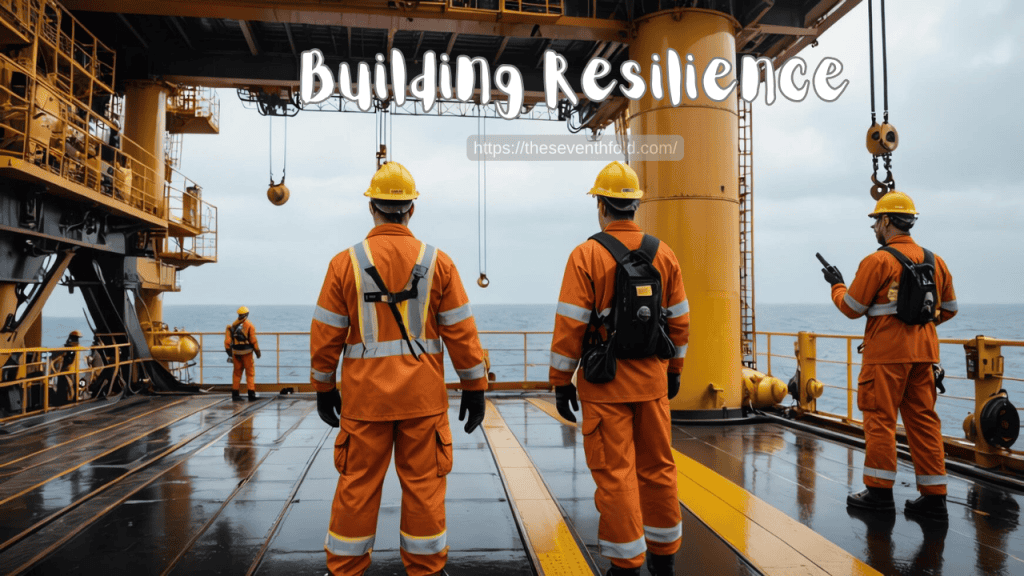
Building Resilience: Addiction Recovery Strategies That Work for Oil and Gas Employees

The oil and gas industry is known for its demanding schedules, physical intensity, and high-pressure environments. Workers often face long hours, isolation, and extreme conditions that can take a toll on mental health and emotional stability. Over time, these stressors can lead to substance use as a way to cope, creating a cycle that is difficult to break. Yet, recovery is possible—and resilience is the key. At The Seventh Fold, we believe that with the right support, healing, and faith-based guidance, oil and gas employees can build lasting strength and reclaim control of their lives.

Understanding the Pressures of the Petroleum Workplace

The High-Stress Reality of the Job

Oilfield work demands endurance, precision, and dedication. However, the same conditions that drive success can also lead to burnout. Long stretches away from family, unpredictable schedules, and the constant pressure to perform often create emotional exhaustion. For some workers, alcohol or drugs become a temporary relief from this stress—but over time, that relief can evolve into dependence.

The Hidden Mental Health Burden

Substance use is rarely an isolated issue. Depression, anxiety, trauma, and chronic fatigue frequently accompany addiction. Addressing these underlying mental health challenges is essential for long-term recovery. True resilience is built not by suppressing pain but by learning healthy ways to manage it.

Key Strategies for Addiction Recovery and Resilience

1. Embracing Professional Support

Addiction recovery is a process that requires structure and expertise. Professional treatment programs, such as those offered by The Seventh Fold, combine evidence-based therapy with compassionate care to address both the physical and psychological aspects of addiction. Whether through inpatient or outpatient programs, structured support helps individuals build healthy habits and accountability.

2. Building Emotional Awareness and Coping Skills

One of the most effective ways to prevent relapse is by learning to identify triggers and manage emotions. Cognitive-behavioral therapy (CBT), mindfulness, and stress management techniques empower individuals to respond to challenges without turning to substances. Over time, these tools foster confidence, self-control, and peace of mind.

3. Incorporating Holistic and Faith-Based Healing

Faith and holistic practices can offer deeper layers of healing. At The Seventh Fold, we integrate faith-based principles with holistic therapies to nurture mind, body, and spirit. Activities like meditation, prayer, fitness, and nutrition support physical recovery while also helping individuals reconnect with their values and purpose. This balance strengthens inner resilience and fosters long-term well-being.

4. Reconnecting with Family and Community

Addiction often isolates people from those they love most. Recovery, however, thrives on connection. Support groups, family therapy, and community involvement help rebuild relationships and create a network of encouragement. These connections remind oil and gas workers that they are not alone and that their recovery impacts more than just themselves—it strengthens their families and communities as well.

The Path Toward Lasting Strength

Recovery is not about perfection. It is about progress, self-awareness, and courage. Oil and gas employees who face addiction are not defined by their struggle but by their ability to rise above it. By combining professional treatment, emotional healing, and faith-based renewal, they can rebuild their lives with purpose and resilience.

If you or someone you care about in the petroleum industry is battling addiction, The Seventh Fold is here to help. Our individualized programs offer a safe space for healing, guided by compassion, expertise, and faith. Take the first step toward lasting recovery today—because resilience begins with the decision to heal.

Categories
Uncategorized

From Burnout to Balance: Addressing Addiction and Mental Health in the Petroleum Industry

The petroleum industry is known for its demanding schedules, high-pressure environments, and physical risks. Workers often face long shifts, time away from family, and the constant need to perform under intense conditions. While these challenges are part of the job, they can also lead to burnout, stress, and reliance on substances as a way to cope. Over time, these patterns can evolve into addiction or contribute to serious mental health struggles. Addressing these issues openly and providing effective treatment options is critical for the health and safety of petroleum workers. At The Seventh Fold, we are committed to helping individuals move from burnout to balance through compassionate, holistic, and personalized care.

Understanding the Link Between Burnout and Addiction

The Impact of Long-Term Stress

Burnout develops when constant stress overwhelms a person’s ability to recover. In the petroleum industry, the combination of extended shifts, hazardous conditions, and separation from support systems can create a perfect storm for exhaustion. This state of chronic stress often pushes workers to turn to alcohol, prescription medications, or other substances for relief.

Mental Health Challenges in Petroleum Work

Depression, anxiety, and sleep disorders are common among workers in high-demand industries. Without the right support, these challenges can become closely tied to substance use. Effective recovery requires addressing both addiction and mental health together, rather than treating them as separate problems.

Practical Approaches to Healing

Inpatient and Outpatient Care Options

Recovery looks different for every individual. Some petroleum workers benefit from inpatient treatment, where they can step away from the pressures of work and focus entirely on healing in a structured environment. Others may choose outpatient care, which allows them to remain connected to their responsibilities while receiving ongoing therapy and support.

Holistic and Faith-Based Support

Healing is more than breaking free from substances. It involves restoring balance in mind, body, and spirit. At The Seventh Fold, our programs include holistic therapies such as mindfulness practices, physical wellness activities, and optional faith-based guidance. This approach ensures that clients find strength in every area of their lives, not just in sobriety.

Building Skills for Long-Term Recovery

Recovery is not only about managing addiction. It is also about learning strategies to handle stress, manage emotions, and maintain balance in challenging environments. Workers in the petroleum industry benefit greatly from tools that help them cope with fatigue, build resilience, and strengthen relationships both on and off the job.

Creating a Culture of Support

The stigma surrounding addiction and mental health often prevents workers from seeking help. Employers, families, and communities can play a vital role by fostering environments where conversations about wellness are encouraged. When workers know they are not alone and that support is available, recovery becomes more achievable.

Taking the Next Step Toward Balance

Burnout and addiction do not have to define the future. With the right resources, petroleum workers can find balance, regain their health, and rebuild a life of purpose. At The Seventh Fold, we believe in compassionate, client-centered care that meets each person where they are.

If you or someone you know in the petroleum industry is struggling with addiction or mental health challenges, now is the time to take action. Contact The Seventh Fold today to explore our programs and begin the journey from burnout to balance.

Categories
Uncategorized

The Road to Recovery: Supporting Oil and Gas Workers Through Addiction Challenges

Addiction in the oil and gas industry is a growing concern. Workers face unique pressures, including long hours, hazardous conditions, and extended periods away from family. These challenges can contribute to substance use as a way to cope with stress, fatigue, and isolation. Recognizing the need for support is the first step toward recovery. At The Seventh Fold, we provide compassionate, individualized programs designed to help oil and gas workers navigate addiction and achieve lasting healing.

Understanding Addiction in the Oil and Gas Industry

Why Addiction Is Prevalent Among Workers

Oil and gas work is physically demanding and often takes place in remote locations. The combination of high-stress work, repetitive tasks, and long periods away from home increases the risk of substance misuse. Prescription pain medications, alcohol, and other substances can become coping mechanisms. Over time, reliance on these substances can develop into addiction, affecting both the worker and those around them.

The Connection Between Mental Health and Substance Use

Mental health challenges such as anxiety, depression, and post-traumatic stress disorder frequently accompany substance use in high-pressure industries. Treating addiction effectively requires addressing underlying mental health concerns. Integrated care ensures that workers receive the support they need to recover fully and build long-term resilience.

Practical Steps Toward Recovery

Step 1: Seek Professional Help

Recovery begins with professional support. The Seventh Fold offers both inpatient and outpatient programs to meet diverse needs. Inpatient care provides a structured environment ideal for those needing intensive treatment and detoxification. Outpatient programs allow individuals to continue working or supporting their families while receiving therapy and counseling.

Step 2: Engage in Holistic and Faith-Based Treatment

Healing involves more than addressing physical dependence. Holistic and faith-based approaches support mental, emotional, and spiritual well-being. Mindfulness practices, physical wellness programs, group therapy, and optional spiritual guidance help clients rebuild their lives and find purpose beyond addiction.

Step 3: Build a Support Network

Strong support systems are essential for sustained recovery. Peer groups, family involvement, and community support reduce isolation and encourage accountability. Workers who feel understood and supported are more likely to remain committed to their recovery journey.

Step 4: Learn Coping Strategies and Life Skills

Effective recovery includes learning healthy coping mechanisms. Clients at The Seventh Fold develop strategies to manage stress, handle workplace pressures, and maintain sobriety in high-risk environments. These skills are critical for preventing relapse and achieving long-term success.

Encouraging Recovery and Hope

Recovery is not a one-size-fits-all process. Each individual’s journey is unique, requiring personalized care, compassion, and professional guidance. Oil and gas workers can break free from the cycle of addiction with the right resources and support systems in place.

At The Seventh Fold, our mission is to help workers move from struggle to strength. By combining evidence-based therapies with holistic, faith-based, and individualized care, we empower clients to reclaim their lives.

If you or a loved one is struggling with addiction in the oil and gas industry, help is available. Reach out today to explore our programs and take the first step toward recovery, healing, and a healthier future.

Categories
Uncategorized

Overcoming Addiction in the Oilfield: Practical Steps Toward Recovery and Healing

The oil and gas industry is the backbone of global energy, but behind the scenes, many workers silently struggle with addiction. Long hours, demanding schedules, remote job sites, and constant pressure create an environment where substance use often becomes a way to cope. Over time, what starts as relief can turn into dependency, affecting not only workers but also their families and communities. The good news is that recovery is possible. With the right support, oilfield workers can take practical steps toward healing and reclaiming their lives.

Understanding the Link Between Oilfield Work and Addiction

Stress and Isolation on the Job

Life in the oilfield can be isolating. Workers often spend weeks away from loved ones while facing physically demanding and dangerous conditions. This lifestyle can increase the temptation to use alcohol or drugs as a way to manage stress, fatigue, or loneliness.

Mental Health Challenges

Depression, anxiety, and post-traumatic stress can affect workers in high-pressure industries like oil and gas. Without access to mental health support, these issues may go untreated, creating a cycle where substance use becomes the primary coping mechanism. Addressing addiction must also include caring for mental health in order to create long-term recovery.

Practical Steps Toward Recovery

Step 1: Acknowledge the Problem

The first step to breaking free from addiction is acknowledging that it exists. This requires courage and honesty, but it also opens the door to healing. For oilfield workers, admitting the need for help is not a sign of weakness but a powerful act of strength.

Step 2: Seek Professional Support

Professional treatment provides tools and guidance that self-reliance alone cannot. At The Seventh Fold, workers can access inpatient and outpatient care tailored to their needs. Inpatient treatment allows individuals to step away from the pressures of work and focus fully on recovery, while outpatient care provides flexibility for those balancing work and family responsibilities.

Step 3: Explore Holistic and Faith-Based Healing

Recovery involves more than managing cravings or detoxing from substances. True healing addresses the whole person. Holistic approaches at The Seventh Fold include physical wellness, counseling, mindfulness, and spiritual growth. For those seeking faith-based guidance, spiritual support can add meaning and strength to the recovery process.

Step 4: Build a Support Network

Isolation is one of the greatest risks in recovery. Building strong support systems through group counseling, family therapy, and peer connections helps individuals feel understood and supported. These relationships provide accountability and encouragement, making recovery more sustainable.

Step 5: Commit to Long-Term Growth

Addiction recovery is not a one-time event but a lifelong journey. Developing healthy routines, maintaining therapy, and staying connected to support groups help workers continue moving forward. With ongoing commitment, recovery transforms from a daily struggle into a source of strength.

Finding Hope and Healing

Overcoming addiction in the oilfield is not only possible, it is a path many workers have already walked successfully. With the right combination of professional care, holistic healing, and community support, recovery can lead to a healthier, more fulfilling life.

If you or someone you love is struggling with addiction in the oil and gas industry, The Seventh Fold is here to help. Our compassionate, individualized programs are designed to guide you every step of the way. Take the first step today and discover that healing, strength, and hope are within reach.

Categories
Uncategorized

From Struggle to Strength: How Oil and Gas Workers Can Break Free from Addiction

The oil and gas industry is known for its demanding work environments, long shifts, and high-pressure cycles of boom and bust. While these jobs power economies around the world, they also place workers at higher risk for mental health struggles and substance use. For many in the petroleum workforce, addiction becomes a way of coping with stress, isolation, or physical pain. Breaking free from that cycle is possible with the right support, care, and strategies. At The Seventh Fold, we help oil and gas workers move from struggle to strength through individualized, holistic recovery programs designed to heal both body and mind.

Understanding Addiction in the Oil and Gas Industry

Why Workers Are at Higher Risk

Oil and gas workers often face long hours away from family, physically demanding labor, and the mental strain of dangerous job conditions. These pressures can contribute to increased alcohol use, prescription pain medication misuse, or reliance on other substances as coping mechanisms. Without intervention, these short-term solutions can lead to long-term addiction that impacts not only workers but also their families and communities.

The Role of Mental Health

Addiction is closely tied to mental health. Conditions like anxiety, depression, or trauma often go untreated in the industry because of stigma or lack of accessible resources on job sites. Addressing mental health alongside substance use is essential to creating lasting recovery. At The Seventh Fold, we combine addiction treatment with mental health care so clients can address the root causes of their struggles rather than just the symptoms.

Pathways to Recovery

Inpatient and Outpatient Care

Every recovery journey looks different. Some oil and gas workers benefit from the structure of inpatient care, where they can step away from daily stressors and focus fully on healing. Others may choose outpatient programs that allow them to continue working or supporting their families while receiving treatment. Both options provide access to counseling, medical support, and relapse prevention strategies that build a foundation for sobriety.

Holistic and Faith-Based Healing

Healing from addiction involves more than detox or therapy alone. That is why The Seventh Fold offers holistic approaches that integrate physical health, emotional wellbeing, and spiritual growth. Clients can participate in mindfulness practices, group support, physical wellness activities, and faith-based counseling if they choose. This balanced approach empowers individuals to rebuild their lives with renewed strength and purpose.

Building Support Systems

Recovery is not a journey to walk alone. Peer groups, family counseling, and supportive communities help oil and gas workers feel connected and understood. Building a strong network reduces isolation, creates accountability, and encourages long-term sobriety. At The Seventh Fold, we emphasize community as a cornerstone of lasting recovery.

Moving From Struggle to Strength

Breaking free from addiction in the oil and gas industry is not only possible, it is within reach. With compassionate care, effective treatment, and holistic support, workers can move from struggle to strength and create healthier, more fulfilling lives.

If you or someone you love is facing addiction in the oil and gas sector, The Seventh Fold is here to help. Our team provides personalized care designed to meet your unique needs and guide you toward recovery with compassion and respect. Reach out today to take the first step toward healing and a brighter future.

Categories
Uncategorized

Breaking the Cycle: Effective Addiction Recovery Strategies for Oil and Gas Workers

Addiction in the oil and gas industry is a growing concern that demands compassionate and effective solutions. Workers in this field face unique pressures, including long hours, physical demands, and extended periods away from home. These challenges contribute to higher rates of substance abuse and mental health struggles than many other professions. At The Seventh Fold, we recognize the complex nature of addiction in the petroleum workforce and provide personalized, holistic recovery strategies designed to break the cycle of addiction and support lasting healing.

Understanding Addiction in the Oil and Gas Workforce

Why Oil and Gas Workers Are at Risk

The nature of oil and gas work involves high stress, physical injury risks, and often isolation on remote job sites. These factors increase vulnerability to substance use, especially with the accessibility of prescription pain medications and alcohol. Many workers use substances to manage pain, relieve stress, or cope with loneliness. Unfortunately, these coping mechanisms can lead to dependency and complicate recovery efforts if not addressed promptly and holistically.

The Importance of Mental Health Treatment

Addiction rarely exists in isolation. Co-occurring mental health disorders such as anxiety, depression, and post-traumatic stress disorder are common among oil and gas workers. Effective recovery requires treatment plans that address both addiction and mental health simultaneously. Integrating mental health care into addiction recovery improves outcomes by helping individuals develop healthier coping strategies and regain emotional balance.

Effective Addiction Recovery Strategies

Holistic and Individualized Care

At The Seventh Fold, we understand that every recovery journey is unique. Our approach blends evidence-based therapies with holistic and faith-based practices tailored to each client’s needs. This personalized care model considers physical health, emotional wellbeing, and spiritual growth, creating a comprehensive framework for healing. Clients benefit from therapies such as cognitive-behavioral therapy, mindfulness, family counseling, and spiritual guidance to rebuild their lives on multiple levels.

Inpatient and Outpatient Programs

Recovery programs at The Seventh Fold offer both inpatient and outpatient care options to suit different stages and needs. Inpatient care provides a safe, structured environment where clients can focus entirely on healing and detoxification. Outpatient programs offer flexibility for individuals who require ongoing support while maintaining daily responsibilities such as work or family. Both pathways emphasize relapse prevention, skill-building, and continuous mental health support.

Building a Strong Support Network

Recovery thrives on community and connection. We encourage involvement in group therapy, peer support, and family programs to strengthen social ties. A supportive network helps reduce feelings of isolation, builds accountability, and fosters a sense of belonging—all vital for sustained recovery. For clients who seek it, faith-based support adds another layer of encouragement and purpose.

Taking the Next Step Toward Recovery

Breaking the cycle of addiction in the oil and gas industry is possible with the right support and strategies. If you or a loved one are struggling, know that help is available. The Seventh Fold provides compassionate, professional care tailored to the unique challenges faced by petroleum workers. Our dedicated team is ready to guide you through every step of your recovery journey.

Reach out today to learn more about our individualized treatment options and start moving toward a healthier, sober future.

Categories
Uncategorized

Boom and Bust: How Industry Cycles Contribute to Rising Addiction Rates

The petroleum industry has long been known for its dramatic cycles of boom and bust—periods of rapid growth followed by sudden downturns. These fluctuations are driven by global oil prices, political instability, and shifting energy demands. While much has been written about how these cycles affect economies and markets, one overlooked consequence lies in the personal lives of workers: the rising rates of addiction fueled by economic uncertainty, job instability, and chronic stress.

The Psychological Whiplash of Boom-Bust Cycles

During boom times, oil companies ramp up production, hire aggressively, and operate at full capacity. Workers often earn high wages and log extensive overtime hours, sometimes in grueling, high-stress conditions. The culture becomes one of urgency and output—pushing employees to their limits. While the financial rewards are tempting, the pace can lead to burnout, sleep deprivation, and mental strain. Many turn to alcohol or stimulants to keep up with demands or to decompress after long shifts.

When the inevitable bust comes, the fallout is swift and brutal. Companies downsize, projects are put on hold, and entire communities dependent on petroleum jobs face economic collapse. Workers may be laid off without warning, losing not only income but also identity, purpose, and stability. The psychological impact of this sudden change—anxiety, depression, fear—creates fertile ground for substance use and dependency.

A Pattern Repeated Across Decades

This boom-bust pattern isn’t new. Every oil crash—from the 1980s to the 2014 downturn—has had lasting effects on the workforce. In each case, substance abuse spikes during and after bust periods, as laid-off workers struggle to adapt. In small towns built around oil production, the effects ripple outward: increased crime, strained healthcare systems, and overburdened social services.

Addiction in these communities often begins as self-medication—workers using alcohol, opioids, or other drugs to manage physical pain, emotional trauma, or boredom. But in the absence of support systems, casual use can escalate quickly into dependency.

The Industry’s Responsibility and Opportunity

Historically, the petroleum industry has focused more on productivity than people. But as the human cost of these cycles becomes clearer, companies are beginning to recognize the importance of proactive intervention.

To address addiction tied to boom-bust cycles, the industry must take several key steps:

  • Support During Downturns: Offer laid-off workers access to mental health services, addiction treatment, and retraining programs. This can reduce long-term harm and help workers transition more smoothly.
  • Wellness During Booms: Prevent burnout by managing workloads, encouraging time off, and promoting mental health awareness even when times are good.
  • Substance Use Education: Provide ongoing education about the risks of addiction and the signs of burnout, targeting both workers and supervisors.
  • Long-Term Employee Assistance Programs (EAPs): Ensure EAPs continue even after job loss or layoffs, allowing workers to access critical resources when they need them most.

Conclusion

Boom and bust cycles may be inevitable in the petroleum industry, but addiction doesn’t have to be. By acknowledging the connection between industry volatility and substance use, oil and gas companies can help break the cycle—not just of economic highs and lows, but of addiction and despair. Investing in worker well-being isn’t just ethical—it’s essential for the long-term sustainability of the industry and the people who power it.