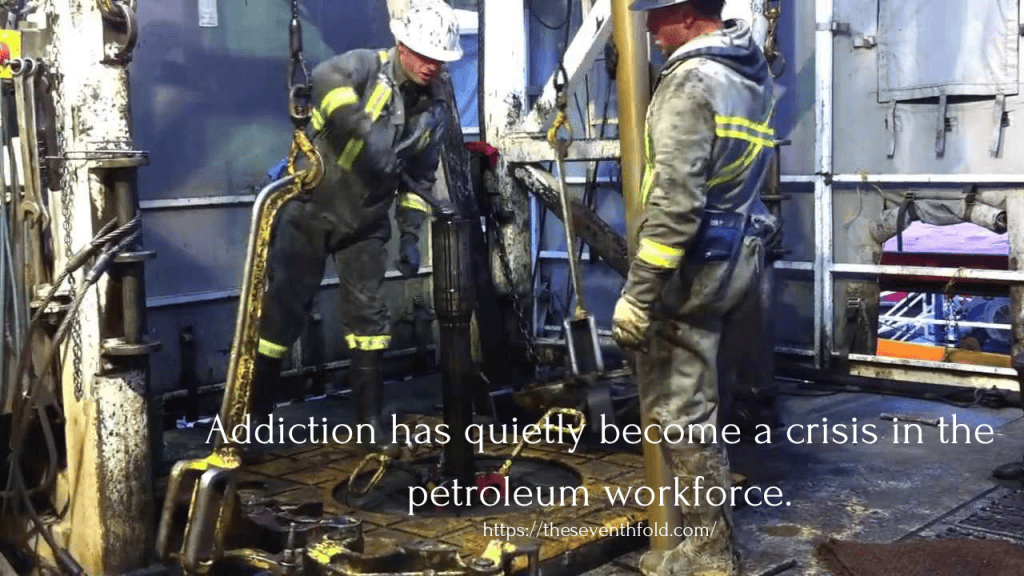
The image of the roughneck—gritty, hardworking, and tough—is iconic in the world of oilfields. These are the men and women who brave extreme conditions, long hours, and physical labor to power one of the world’s most essential industries. But behind the rugged exterior lies a growing struggle: substance abuse. As oilfield workers face increasing pressure, isolation, and injury, addiction has quietly become a crisis in the petroleum workforce. Addressing this issue is no longer optional—it’s vital for safety, sustainability, and the health of the people who fuel the world.
A Dangerous Environment for More Than One Reason
Oilfield work is inherently risky. It demands physical endurance, sharp focus, and mental resilience. Workers operate heavy machinery, manage hazardous materials, and work in remote environments where even minor mistakes can have serious consequences. Unfortunately, the same conditions that define this work also create a breeding ground for substance use.
Injuries are common on the job, and many workers are prescribed opioids or other pain medications for recovery. Without proper medical supervision or alternative treatment options, dependency can develop quickly. At the same time, the long shifts, weeks away from home, and often isolated living conditions can lead to stress, boredom, and depression—pushing some workers toward alcohol or stimulants to cope.
Breaking the Silence Around Addiction
One of the most significant barriers to addressing substance abuse in the oilfields is the culture of silence. The roughneck lifestyle is often tied to ideas of toughness and self-reliance. Admitting to addiction or mental health struggles can be seen as weakness, which discourages workers from seeking help until the situation becomes critical.
This silence endangers not just the individual but everyone on site. Impaired workers can’t perform safely, and in a high-risk environment, that can lead to injuries, equipment failure, or even fatalities.
Building Recovery into the Workforce
Combating substance abuse in the oilfields requires an industry-wide shift toward support, education, and compassion. Some key strategies include:
- Onsite Wellness Programs: Providing physical and mental health services at job sites makes help accessible and reduces the stigma of seeking support.
- Injury Management Without Dependency: Promoting non-opioid pain treatments and physical therapy can help reduce the risk of prescription drug addiction.
- Peer Support and Recovery Networks: Creating recovery communities within the workforce encourages open dialogue and shared experiences that can be powerful for healing.
- Supervisor Training: Teaching managers and foremen to recognize signs of substance use and respond supportively can lead to earlier intervention and better outcomes.
- Confidential Access to Rehabilitation: Workers need assurance that they can seek treatment without losing their jobs or being labeled as liabilities.
Changing the Oilfield Culture
If the oil and gas industry wants to protect its workforce, it must evolve. That means shifting from a culture of toughness to one of resilience—a resilience built on honesty, support, and accountability. Roughnecks may be tough, but they’re also human. And like any workforce, they deserve care, dignity, and a chance at recovery.
By investing in these solutions, oilfield employers don’t just save lives—they strengthen their teams, their safety standards, and their future.