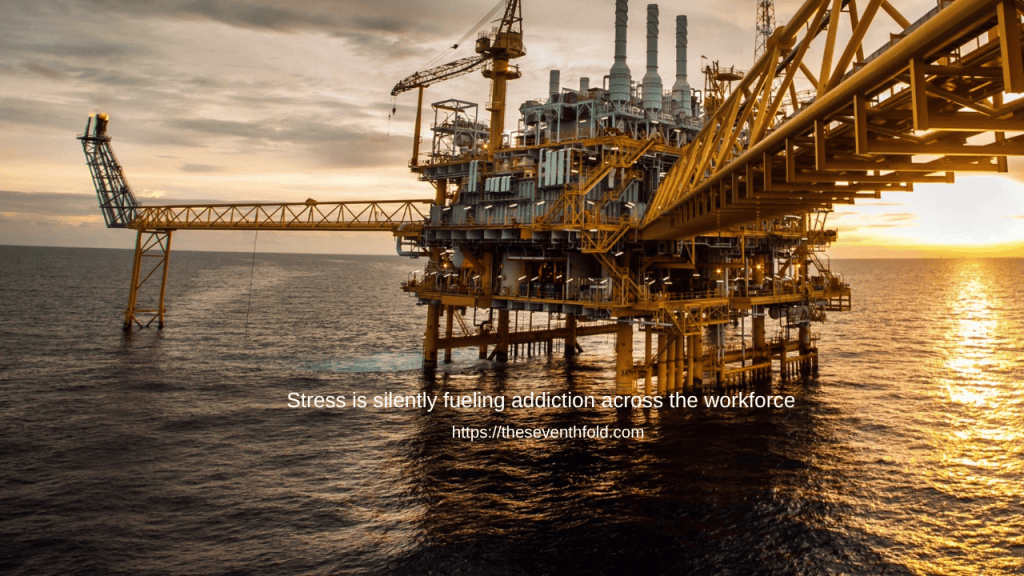
The petroleum industry is synonymous with high stakes, tight deadlines, and physically demanding work. From oil rig operators to refinery technicians, workers often operate in hazardous environments under relentless pressure. While the focus is typically on physical safety, a silent threat is growing within the workforce: burnout-driven addiction.
Burnout is more than simple fatigue—it’s a chronic state of emotional, physical, and mental exhaustion caused by prolonged stress. In the petroleum sector, burnout is reaching crisis levels, and substance abuse is becoming an increasingly common and dangerous coping mechanism.
Why the Petroleum Industry Breeds Burnout
Oil and gas jobs demand a unique combination of stamina, focus, and resilience. Many workers operate on rotational schedules—such as two weeks on, one week off—which often involve 12-hour shifts with few breaks. Living in isolated environments, such as offshore rigs or remote drilling sites, further compounds the mental strain.
Adding to this pressure is the constant concern over job security. The petroleum industry is notoriously cyclical. When oil prices drop, layoffs follow. Even during prosperous times, workers may feel the weight of unrealistic expectations to produce more in less time. The fear of economic downturns and sudden unemployment leaves many employees in a perpetual state of stress.
Without healthy outlets for this pressure, many turn to substances as a form of escape.
Stress as a Gateway to Addiction
Stress doesn’t directly cause addiction, but it creates the conditions where addiction can thrive. Workers may use alcohol or drugs to relax after grueling shifts or to manage anxiety about job performance and financial security. Unfortunately, what starts as “taking the edge off” can quickly spiral into dependency.
Common substances abused in the petroleum industry include:
- Alcohol – Used to unwind, especially during off-site periods, often leading to binge drinking patterns.
- Prescription Painkillers – Due to the physical demands of the job, injuries are common. Pain management can lead to opioid dependency.
- Stimulants – Workers may use amphetamines or other stimulants to combat fatigue and stay alert during long shifts.
- Marijuana or Sedatives – Some use these substances to manage insomnia or calm post-work anxiety.
Breaking the Burnout-Addiction Cycle
Addressing addiction in the petroleum industry starts with recognizing burnout as a key root cause. Preventing burnout and providing healthy ways to manage stress is critical.
Here are proactive strategies the industry can adopt:
- Mental Health Support – Provide access to counselors and therapists, both on-site and via telehealth, to help workers manage stress before it leads to substance abuse.
- Stress Management Training – Equip employees with tools like mindfulness techniques, breathing exercises, and coping strategies.
- Balanced Work Schedules – Design shifts that allow adequate rest and recovery time, reducing physical and mental fatigue.
- Non-Stigmatized Recovery Programs – Create confidential programs that allow workers to seek help without fear of job loss or judgment.
- Leadership Training – Educate supervisors to identify early signs of burnout and addiction, promoting intervention before problems escalate.
Conclusion
The petroleum industry can no longer afford to ignore the burnout factor. Stress is silently fueling addiction across the workforce, putting lives and operations at risk. By fostering a culture that values mental health as much as physical safety, the industry can break the cycle and build a healthier, more resilient workforce.