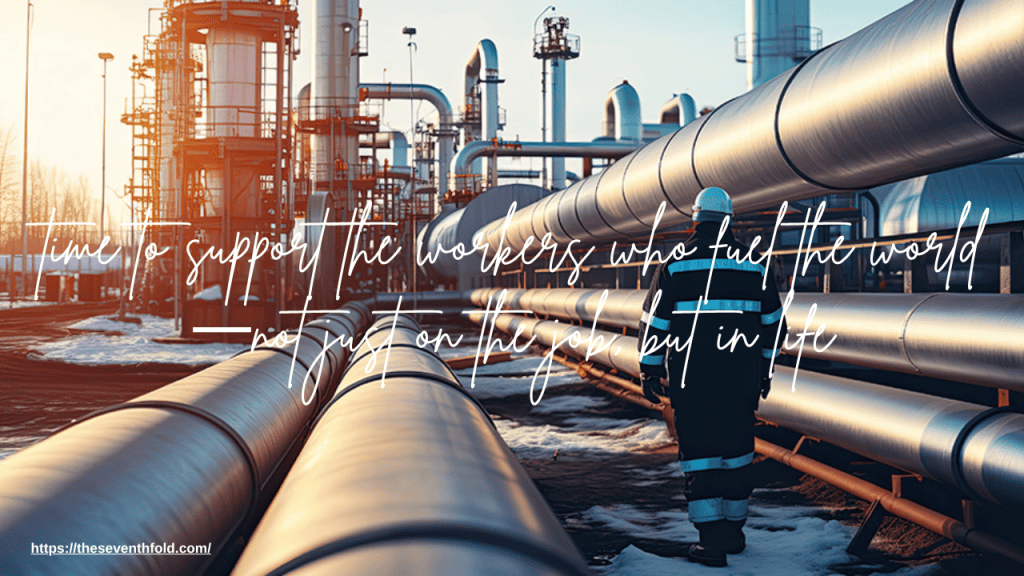
The petroleum industry is known for its grueling physical labor, long shifts, and high-stakes operations. Behind the machinery and infrastructure lies a growing crisis—addiction among the very workers who keep the energy sector moving. The journey from pipelines to pills is becoming a troubling reality, as substance abuse quietly spreads through the petroleum workforce. If left unaddressed, the human and operational costs could be catastrophic.
The Pipeline to Addiction
Working in oil and gas isn’t just a job—it’s a lifestyle. Many employees spend weeks at a time on offshore rigs, in remote drilling sites, or traveling between job locations. This nomadic and isolated way of life takes a toll on both body and mind. Long hours, exposure to harsh conditions, and the mental strain of being away from family are daily challenges.
In such a demanding environment, injuries are common. To stay productive, workers are often prescribed painkillers—usually opioids. While these medications serve a legitimate purpose, they come with a high risk of dependency. What starts as pain relief can quickly turn into addiction, especially when combined with stress, fatigue, and limited access to proper healthcare.
But it doesn’t stop with prescription pills. Alcohol, stimulants, and other substances are also prevalent in the industry, used as coping mechanisms for everything from boredom to anxiety and depression.
A Culture That Discourages Help-Seeking
One of the biggest barriers to addressing addiction in the petroleum workforce is the culture of silence. The industry has long prized resilience and toughness, often at the expense of mental well-being. Workers are expected to power through pain and keep quiet about personal struggles. Asking for help is frequently seen as a sign of weakness.
This stigma discourages individuals from seeking treatment, and many suffer in silence until their addiction becomes severe—or leads to on-the-job mistakes that endanger themselves and others.
The Broader Impacts of Substance Abuse
Addiction doesn’t just affect the individual; it ripples outward across teams, companies, and communities. In a field where safety is paramount, substance use impairs decision-making and physical coordination, increasing the risk of accidents, injuries, and even fatalities. Operational downtime, increased insurance premiums, and higher turnover rates are just a few of the financial consequences.
On a personal level, addiction devastates families, erodes mental health, and leads to long-term economic insecurity.
Strategies for Addressing the Crisis
To combat addiction in the petroleum workforce, industry leaders must take bold, proactive steps:
- Normalize Mental Health Support: Promote counseling and therapy as standard resources, not last resorts.
- Enhance Safety and Injury Management: Offer non-opioid pain management and injury prevention training to reduce reliance on addictive medications.
- Implement Confidential Recovery Programs: Allow employees to seek help without fear of judgment or job loss.
- Train Supervisors in Early Intervention: Equip team leaders with tools to recognize and address substance use issues compassionately and effectively.
- Foster a Culture of Openness: Break the stigma by encouraging dialogue around addiction and well-being.
Conclusion
The path from pipelines to pills is not inevitable—but it is preventable. By shifting industry culture, providing proper resources, and prioritizing mental health alongside physical safety, the petroleum sector can begin to turn the tide on addiction. It’s time to support the workers who fuel the world—not just on the job, but in life.