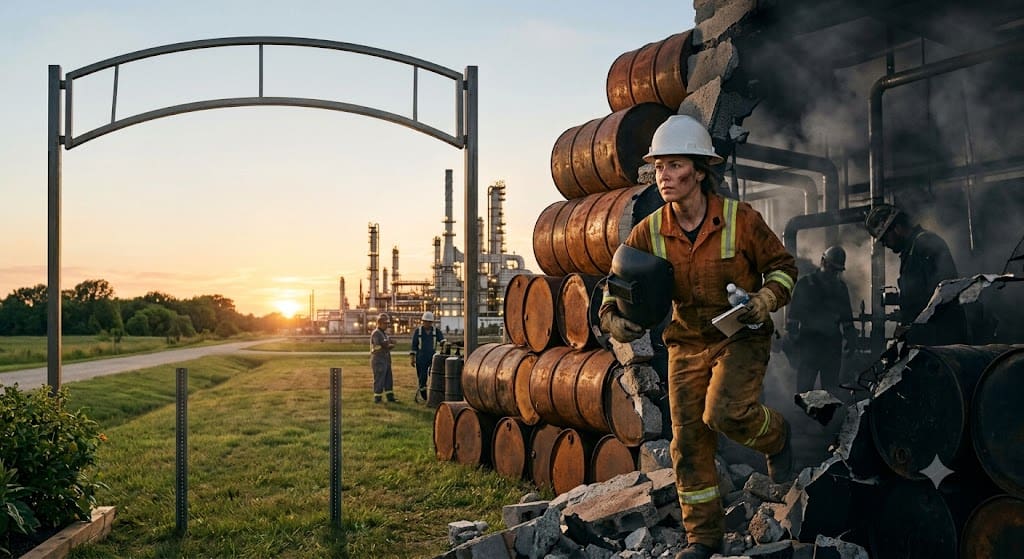
The petroleum industry is built on dedication, resilience, and the ability to perform under demanding conditions. From offshore platforms and drilling sites to refineries and transportation operations, oil and gas professionals work in environments where long hours, physical demands, and constant attention to safety are part of everyday life. While these responsibilities are essential, they can also contribute to chronic stress and burnout. If left unaddressed, burnout can affect mental health and increase the risk of substance use. Understanding this connection is the first step toward finding hope, healing, and lasting recovery.
Understanding Burnout in the Petroleum Industry
Burnout is more than feeling tired after a long shift. It is a state of ongoing physical, emotional, and mental exhaustion caused by prolonged stress. For many petroleum workers, burnout develops gradually as workplace demands continue to outweigh opportunities for rest and recovery.
Employees may experience long rotations away from home, irregular sleep schedules, demanding physical labor, and the pressure of maintaining strict safety standards. Over time, these factors can leave individuals feeling emotionally drained and disconnected from the people and activities they once enjoyed.
Without proper support, burnout can begin to affect every aspect of life.
How Burnout Can Lead to Addiction
Burnout does not automatically lead to addiction, but it can increase vulnerability when healthy coping strategies are replaced with unhealthy ones.
Using Substances to Manage Stress
Some individuals begin using alcohol or drugs to relax after difficult shifts or to temporarily escape emotional pressure. Others may misuse prescription medications following workplace injuries or chronic pain.
Although these substances may appear to provide short-term relief, they do not resolve the underlying causes of stress. Instead, they often create additional physical, emotional, and relationship challenges.
The Role of Mental Health
Burnout is frequently accompanied by anxiety, depression, sleep disturbances, and emotional exhaustion. When these conditions remain untreated, substance use may become an attempt to cope with overwhelming feelings.
Integrated treatment that addresses both mental health and addiction provides the strongest opportunity for long-term recovery.
Recognizing the Warning Signs
Early intervention can prevent burnout from developing into a more serious substance use disorder. Knowing the warning signs can help individuals seek professional support before problems become more severe.
Emotional Changes
Persistent irritability, feelings of hopelessness, loss of motivation, or emotional numbness should not be ignored.
Physical Symptoms
Constant fatigue, headaches, sleep difficulties, changes in appetite, or ongoing physical discomfort may indicate chronic stress and burnout.
Workplace Performance
Difficulty concentrating, reduced productivity, poor decision making, increased mistakes, or declining job performance can all signal that emotional well-being is being affected.
Behavioral Changes
Withdrawing from family or coworkers, increased alcohol consumption, misuse of medications, or secrecy surrounding substance use are important signs that professional help may be needed.
Why Professional Treatment Makes a Difference
Recovery begins by addressing the whole person rather than focusing only on substance use. The Seventh Fold offers compassionate, individualized care designed to help clients heal physically, emotionally, mentally, and spiritually.
Their treatment philosophy recognizes that every person’s journey is unique and that lasting recovery requires understanding the underlying causes of addiction.
Personalized Addiction Recovery Services
No two recovery journeys are the same. The Seventh Fold develops individualized treatment plans that consider each client’s personal experiences, mental health needs, work history, family relationships, and long-term goals.
This personalized approach creates a treatment experience that is both meaningful and effective.
Inpatient and Outpatient Treatment Options
Inpatient Programs
Residential treatment provides a structured environment where individuals can focus completely on healing. Clients receive ongoing therapeutic support while developing healthy routines that promote lasting recovery.
Outpatient Programs
Outpatient care offers continued support for individuals who need flexibility while balancing work, family responsibilities, or other commitments. Clients participate in therapy while practicing recovery skills in everyday life.
Integrated Mental Health Care
Mental health conditions such as anxiety, depression, trauma, and chronic stress often exist alongside substance use disorders. Treating both conditions together allows individuals to build healthier coping skills and strengthen emotional resilience.
Integrated care helps reduce the risk of relapse while supporting overall wellness.
Holistic and Faith Based Healing
Recovery is about more than achieving sobriety. It is about restoring balance, purpose, and hope.
Holistic Therapies
Holistic services may include mindfulness practices, wellness activities, stress management strategies, and other therapeutic approaches that support physical and emotional well-being.
Faith Based Support
For individuals who value spiritual growth, faith-based care offers encouragement, guidance, and renewed purpose throughout the healing journey.
Building a Healthier Future Beyond Burnout
Healing from burnout requires more than taking time away from work. It involves learning healthier ways to manage stress, strengthening emotional resilience, and creating a lifestyle that supports long-term wellness.
With compassionate care and ongoing support, petroleum workers can rebuild confidence, improve relationships, restore mental health, and return to their careers with renewed purpose.
Conclusion
The petroleum industry depends on hardworking professionals who often carry tremendous responsibility. When chronic stress leads to burnout, it can quietly affect mental health and increase the risk of addiction. Recognizing these challenges early and seeking professional support can make all the difference.
The Seventh Fold provides comprehensive addiction recovery services that combine inpatient and outpatient care, integrated mental health treatment, holistic therapies, faith-based support, and individualized treatment plans. Their compassionate, client-centered approach helps individuals move beyond burnout and toward lasting recovery.
If you or someone you love is struggling with stress, substance use, or mental health challenges related to work in the petroleum industry, do not wait to seek help. Recovery is possible, and taking the first step today can open the door to a healthier, more hopeful future.