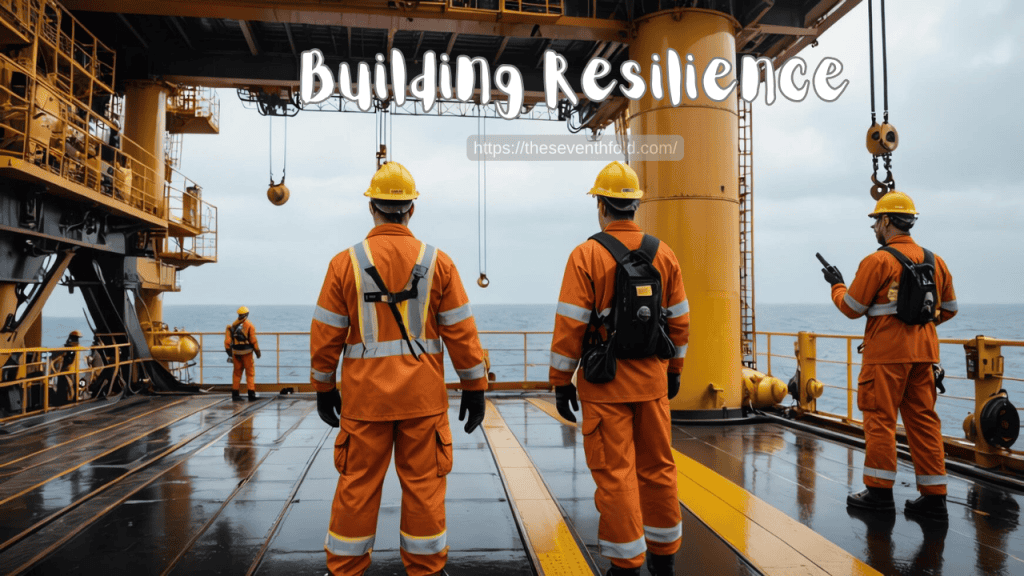
The oil and gas industry is known for its demanding schedules, physical intensity, and high-pressure environments. Workers often face long hours, isolation, and extreme conditions that can take a toll on mental health and emotional stability. Over time, these stressors can lead to substance use as a way to cope, creating a cycle that is difficult to break. Yet, recovery is possible—and resilience is the key. At The Seventh Fold, we believe that with the right support, healing, and faith-based guidance, oil and gas employees can build lasting strength and reclaim control of their lives.
Understanding the Pressures of the Petroleum Workplace
The High-Stress Reality of the Job
Oilfield work demands endurance, precision, and dedication. However, the same conditions that drive success can also lead to burnout. Long stretches away from family, unpredictable schedules, and the constant pressure to perform often create emotional exhaustion. For some workers, alcohol or drugs become a temporary relief from this stress—but over time, that relief can evolve into dependence.
The Hidden Mental Health Burden
Substance use is rarely an isolated issue. Depression, anxiety, trauma, and chronic fatigue frequently accompany addiction. Addressing these underlying mental health challenges is essential for long-term recovery. True resilience is built not by suppressing pain but by learning healthy ways to manage it.
Key Strategies for Addiction Recovery and Resilience
1. Embracing Professional Support
Addiction recovery is a process that requires structure and expertise. Professional treatment programs, such as those offered by The Seventh Fold, combine evidence-based therapy with compassionate care to address both the physical and psychological aspects of addiction. Whether through inpatient or outpatient programs, structured support helps individuals build healthy habits and accountability.
2. Building Emotional Awareness and Coping Skills
One of the most effective ways to prevent relapse is by learning to identify triggers and manage emotions. Cognitive-behavioral therapy (CBT), mindfulness, and stress management techniques empower individuals to respond to challenges without turning to substances. Over time, these tools foster confidence, self-control, and peace of mind.
3. Incorporating Holistic and Faith-Based Healing
Faith and holistic practices can offer deeper layers of healing. At The Seventh Fold, we integrate faith-based principles with holistic therapies to nurture mind, body, and spirit. Activities like meditation, prayer, fitness, and nutrition support physical recovery while also helping individuals reconnect with their values and purpose. This balance strengthens inner resilience and fosters long-term well-being.
4. Reconnecting with Family and Community
Addiction often isolates people from those they love most. Recovery, however, thrives on connection. Support groups, family therapy, and community involvement help rebuild relationships and create a network of encouragement. These connections remind oil and gas workers that they are not alone and that their recovery impacts more than just themselves—it strengthens their families and communities as well.
The Path Toward Lasting Strength
Recovery is not about perfection. It is about progress, self-awareness, and courage. Oil and gas employees who face addiction are not defined by their struggle but by their ability to rise above it. By combining professional treatment, emotional healing, and faith-based renewal, they can rebuild their lives with purpose and resilience.
If you or someone you care about in the petroleum industry is battling addiction, The Seventh Fold is here to help. Our individualized programs offer a safe space for healing, guided by compassion, expertise, and faith. Take the first step toward lasting recovery today—because resilience begins with the decision to heal.