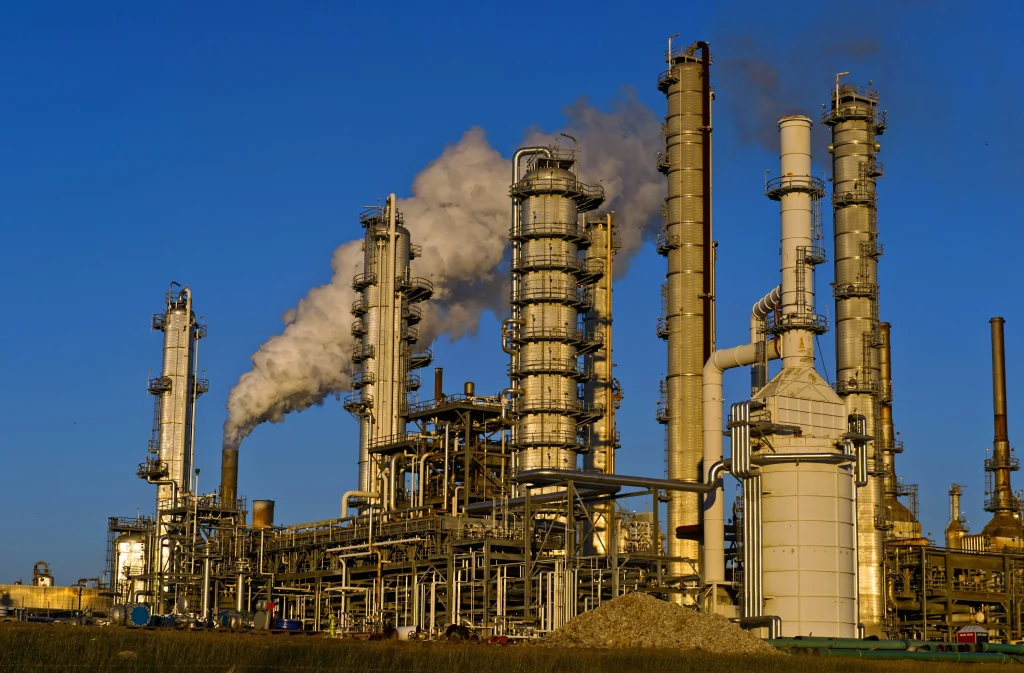
The oil and gas industry is undergoing a significant transformation as it faces mounting challenges and embraces emerging opportunities. Global energy demand continues to rise, yet environmental concerns and technological advancements are reshaping the sector’s future. Companies in the industry must adapt to new realities, including digitalization, renewable energy integration, and stricter environmental regulations. This article explores key trends and innovations shaping the future of the oil and gas industry.
1. Digital Transformation and AI Integration
One of the most significant trends revolutionizing the oil and gas sector is the adoption of digital technologies. Artificial Intelligence (AI), big data analytics, and the Internet of Things (IoT) are being used to optimize operations, improve efficiency, and reduce costs. Predictive maintenance, powered by AI and machine learning, helps companies anticipate equipment failures before they occur, minimizing downtime and increasing productivity.
Moreover, digital twin technology allows companies to create virtual replicas of physical assets, enabling real-time monitoring and remote operation. This not only improves safety but also enhances decision-making through data-driven insights. With automation and robotics gaining prominence, the industry is moving toward more efficient and less labor-intensive operations.
2. The Rise of Renewable Energy Integration
While oil and gas remain dominant energy sources, there is a growing push towards integrating renewable energy into the industry. Many major oil companies are investing in wind, solar, and hydrogen energy to diversify their portfolios and reduce their carbon footprint. The development of carbon capture and storage (CCS) technologies is also gaining traction, allowing companies to mitigate emissions while maintaining fossil fuel production.
Hybrid energy projects, where oil and gas operations are powered by renewable sources, are becoming more common. Offshore oil rigs, for example, are increasingly utilizing wind and solar energy to power their operations, reducing reliance on fossil fuels and decreasing environmental impact.
3. Sustainability and Environmental Regulations
Governments worldwide are enforcing stricter environmental policies to combat climate change, pushing the oil and gas industry to adopt cleaner and more sustainable practices. The transition toward a low-carbon economy is encouraging companies to develop green initiatives such as biofuels, liquefied natural gas (LNG), and hydrogen-powered solutions.
Additionally, the demand for Environmental, Social, and Governance (ESG) compliance is increasing. Investors are prioritizing companies that demonstrate a commitment to sustainability, prompting oil and gas firms to enhance transparency and improve their environmental performance.
4. Advancements in Exploration and Drilling Technologies
Innovations in exploration and drilling technologies are enhancing efficiency and reducing costs. Techniques like horizontal drilling and hydraulic fracturing have significantly increased the extraction of oil and gas from unconventional reserves.
Furthermore, automation in drilling rigs is improving precision and safety while reducing human intervention. Subsea exploration technologies, including autonomous underwater vehicles (AUVs) and seismic imaging, are allowing companies to explore previously inaccessible reserves with greater accuracy.
Conclusion
The future of the oil and gas industry is shaped by a combination of digital innovation, sustainability efforts, and regulatory changes. Companies that embrace emerging technologies, invest in renewable energy, and prioritize environmental responsibility will remain competitive in the evolving energy landscape. As the world transitions toward cleaner energy solutions, the oil and gas sector must adapt to ensure long-term growth and sustainability.